A CCI Collaborative Fund study just published, provides evidence that conservation action can help species adapt to a changing climate offering hope that conservation can play a key role in safeguarding species and their populations.
Climate change is increasingly affecting natural ecosystems around the world, fuelling growing concern about its potential to drive many species towards extinction. Whilst limiting greenhouse gas emissions will reduce the magnitude of future climate change, there is also an urgent need to understand whether effective conservation action can also help vulnerable species to cope with climate change (termed ‘adaptation’).
A newly published study, led by the British Trust for Ornithology (BTO) in collaboration with CCI partners BirdLife International, Fauna and Flora International and the University of Cambridge, addresses this gap by reviewing the conservation literature, including that collated by Conservation Evidence, to identify studies which test the effectiveness of conservation actions on species’ populations also affected by climatic factors.
Out of the 77 studies identified (from the thousands examined), 81% reported at least one beneficial response to the conservation actions taken, highlighting growing evidence that conservation actions can indeed help vulnerable species cope with climate change.
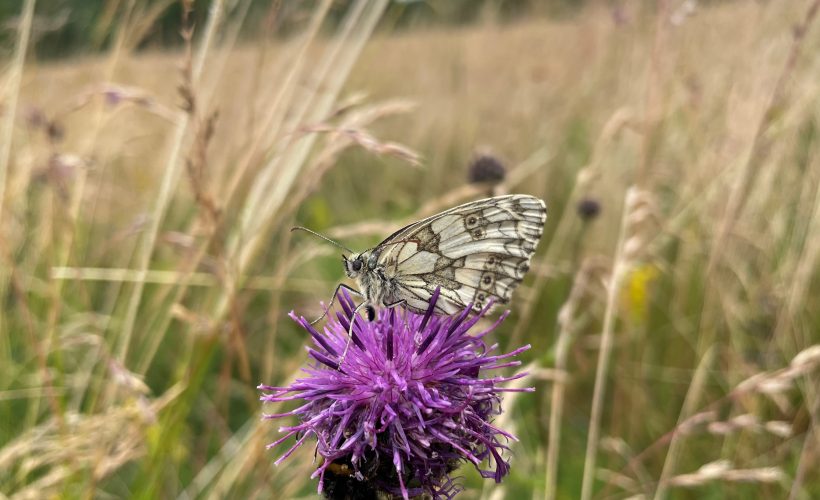
Included in the review were separate studies demonstrating successful interventions to protect Leatherback Turtles, the Arctic Fox and butterflies in Protected Areas against the damaging impact of the changing climate.
Professor James Pearce-Higgins, British Trust for Ornithology’s Director of Science who oversaw this research said “This study provides much needed evidence to show how conservation organisations should respond to climate change and to support investment in climate change adaptation. Targeted adaptation may help the most vulnerable species persist in a changing climate, whilst promoting effective protected area networks and improving the condition of degraded habitats is likely to benefit large numbers of species.”
Find out more about the study on the BTO website.
Photo credits (l-r): Max Gotts, Jonatan Pie, Janice Gill